
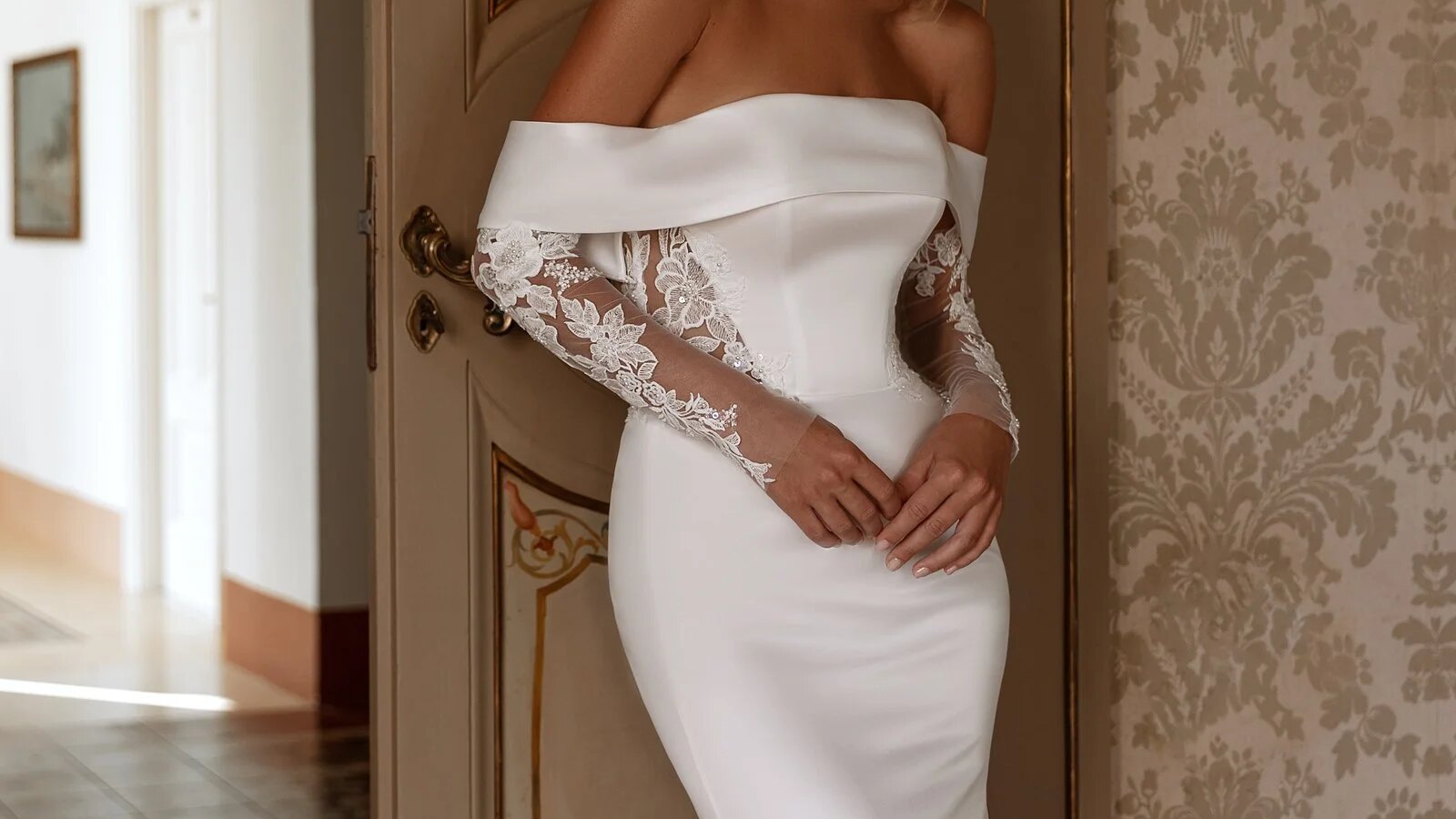
Wedding Dress Shopping in Kitchener–Waterloo or Toronto: How to Choose
Wedding dress shopping in Kitchener–Waterloo can come with an odd pressure: the idea that a Toronto trip is required to see enough choice. Toronto may be right for you, but more stores aren’t a reason on their own. Start with a short requirements list and one useful local appointment. Travel only after a shop confirms the named need your local search did not meet.
That need might be an exact gown, a sample you can assess, a price band, or a purchase path. This guide shows you what to confirm, how to compare every step from first try-on to pickup, and how to plan one focused Toronto day when the trip has a clear purpose.
Start Local, Then Escalate for a Named Need
The local-first rule is simple. Learn close to home, name the gap, and widen your search only when another location can fill it. It saves you from booking a string of appointments that all answer the same questions.
Define the Requirement Toronto Must Solve
Turn “more choice” into a short, testable list. Write down any designer or style numbers you want to see, the sample range that would let you judge the gown, your full price band, and your preferred purchase path. Note any date or access needs that affect where you can shop.
An exact name helps. Vona’s European wedding-dress designer roster lists Katy Corso, Anna Sposa, Elena Morar, and Oliver Martino among its carried lines. Its wedding-dress collection gives you a local starting set. A designer name on a shop’s site still doesn’t prove that your chosen gown or a useful sample is on the rail, so call before you travel.
Use One Local Discovery Appointment to Learn
A first appointment can answer questions that a saved-image folder can’t. You may learn that a fabric feels different in motion, a neckline needs a small change, or a silhouette you skipped online suits you in person. That knowledge makes every later call and appointment sharper.
Treat the visit as useful research, not a demand to buy. Vona’s guides to finding your silhouette and preparing for your first bridal appointment can handle the deeper preparation. Here, your job is to leave with clear notes on fit, fabric, price, service, and any gap still open.
Widen the Search Only When It Adds Something
After that appointment, name the unresolved item in one sentence. Perhaps you want a certain sleeve on an assessable sample, an off-the-rack path, or a price band the first shop couldn’t meet. Ask shops in Cambridge, Elmira, or Guelph to confirm that item before adding them to your route.
Use the same test for Toronto. A shop that can confirm the exact gap earns a place on your plan. A vague promise of a large selection does not. Staying local is the sound default, and travelling is a good choice when the trip gives you access to something defined.
Wedding Dress Shopping in Kitchener–Waterloo vs Toronto: Compare Every Step
The first try-on is only one part of the purchase. Compare the appointment, order, fittings, alteration arrangement, pickup, and written terms as one process. A gown that looks easy to access on day one may ask for several long return trips later.
Compare Useful Inventory and Appointment Conditions
Ask for the exact designer, gown or close style, colour, and sample size. “We carry that designer” does not mean the gown is present. A sample doesn’t need to match your body to the centimetre, but it should let you assess proportion, fabric, neckline, and the changes you may want.
Then ask how the appointment works. Confirm the slot length, fee or deposit, cancellation rule, guest limit, photo policy, accessibility, and price band before you commit. The quietest choice for one bride may feel flat to another, so include privacy and sales pressure in your comparison.
Compare the Order-to-Pickup Relationship
Ask what happens after you choose. Is the gown made to order or sold off the rack? Where are payments made, who holds the order, and what written dates or terms will you receive? For broad lead-time planning, use Vona’s separate guide on when to start wedding dress shopping instead of relying on one rule for every gown.
Alteration arrangements vary by boutique and purchase type. Don’t assume they are included or done in-house. Confirm who is responsible for the work, where fittings take place, how the shop sets the fitting plan, where pickup happens, and which visits may require another drive or train trip.
| Factor | Local / nearby plan | Toronto plan | Ask before booking |
|---|---|---|---|
| Exact gown/sample | Confirm style, colour, and useful sample | Travel only after the named item is confirmed | Is the exact gown or a close sample available? |
| Price + appointment fees | Compare full price, fee, and deposit | Add appointment fees to the trip budget | What do I pay, and when? |
| Travel/parking | Check current parking or transit | Check the 401, GO, and parking | Which route works on my date? |
| Ordering | Confirm purchase path and payment steps | Get order timing and terms in writing | Made to order or off the rack? |
| Fittings/alterations | Confirm provider and fitting location | Count every fitting trip | Who handles alterations, where, and at what fee? |
| Pickup/return trips | Confirm pickup and later visits | Add every likely return trip | Where and when do I return? |
| Written cancellation/refund/final-sale terms | Read the policy before paying | Keep written terms with the order | What can be cancelled, refunded, or exchanged? |
The table is a screening tool, not a scorecard that makes the choice for you. Ask each shop the same questions, then compare the full cost and travel plan. Use current tools for fares, parking, road conditions, and schedules rather than saving a rate or trip time that may change.
Call Ahead Before Any Long Trip
A useful call does more than ask if appointments are open. It tests the exact reason for your trip and shows you what the post-purchase process may ask of you. Have your style numbers and requirements beside you so the answer stays concrete.
Confirm the Exact Designer, Gown, and Useful Sample
Ask a direct question: “Do you have style X, or the closest comparable gown, in a sample that will let me assess the line and fit?” If the exact gown is absent, ask what makes the suggested sample comparable. A shared neckline, fabric, cut, or construction detail can be useful, but the shop should name the link.
Confirm that the sample will be present on your appointment date. Ask if a stylist can set it aside or note it on your file. For a designer carried at more than one shop, compare the actual gowns and samples available, not the logo on the store page.
Get the Full Process in Writing
Before paying a fee or deposit, ask for the parts of the process that affect your budget and travel:
- exact gown or comparable sample, sample range, and price band
- appointment length, fee or deposit, and cancellation terms
- guest, photo, privacy, and accessibility rules
- purchase path, payment schedule, and stated order timing
- alteration provider, fitting location, pickup point, and likely return visits
- refund, exchange, cancellation, and final-sale terms
Keep the reply, receipt, and any order terms together. Ontario’s consumer information says retailers set many return and exchange policies, so verbal assumptions are a weak place to leave a major purchase. That is general consumer information, not legal advice, and your written agreement controls the details of your order.
If Toronto Solves a Real Gap, Plan One Focused Day
Once two Toronto shops confirm real reasons to visit, build the day around those answers. Don’t turn it into a citywide boutique tour. A focused plan gives each gown a fair look and leaves enough space to record what changed between appointments.
Cluster Two Appointments by Geography
Two appointments is a practical guide for a travel day, not a universal limit. It leaves room for transit, a meal, permitted photos, and notes. It can keep fabrics, shapes, prices, and shop terms from blending together late in the day.
Pick shops that are close to one another and confirm both addresses. Give yourself a buffer that fits the actual route and appointment rules. Put one trusted decision-support person in charge of the notes if you want company. Their job is to record your words, not choose the dress for you.
At the end of each visit, write down the same points: gown, fit and feeling, full price, what the sample did or did not show, order path, alteration arrangement, pickup, and open questions. A short, consistent record is far easier to compare at home than a camera roll of unlabeled dresses.
Choose the 401 or GO with Live Tools
Choose the route for the appointment date, not from an old estimate. Drivers can check Ontario 511 for current Highway 401 traffic, construction, incidents, and cameras. Check live parking information near each shop on the same day.
For rail, use the live GO trip planner, current Kitchener GO station details, and the schedule for the date. Service can change, and a dated Metrolinx service notice is not a live timetable. If part of your day starts in Kitchener, current City of Kitchener parking and Grand River Transit fare pages can help with the local leg.
Now add the trips that come after ordering. If fittings, alteration appointments, or pickup happen in Toronto, the first day’s route is only the first line of the plan. Confirm each location before choosing a shop.
Use a Stopping Rule Instead of Chasing More Choice
More stores can create more noise without giving you a better option. Decide what would make your search complete before you open another set of tabs. Your rule should cover the dress and the process around it.
Compare Against Requirements, Not Every Dress Online
Give each serious gown one note with four parts: how it fits and feels, how it meets your non-negotiables, the full budget, and the confirmed steps after purchase. Add any open question. This keeps a beautiful image from hiding a sample, policy, or travel problem.
Compare your top choices with the list you wrote before the first appointment. New preferences are fine when they come from trying gowns. New appointments should answer a remaining question, not restart the search from zero.
Stop When the Dress and Process Are Both Clear
You do not need a dramatic reaction or proof that no other dress could work. Stop when one gown meets your requirements, feels right to you, fits the full budget, and comes with written next steps you accept.
If one point is still unclear, ask that question before booking another shop. If all four parts are settled, more choice may weaken a sound decision. A stopping rule protects the calm you were trying to find in the first place.
Frequently Asked Questions
Should I shop for a wedding dress in Kitchener–Waterloo or Toronto?
Start in Kitchener–Waterloo with a requirements list and one focused discovery appointment. Toronto is worth the trip when a shop confirms a named gap, such as an exact gown, useful sample, designer, or price band, and you accept its order, alteration, fitting, pickup, and return-trip process.
How many bridal appointments should I schedule in one day?
Two appointments is a practical guide for a travel day, not a rule for every bride. Closely grouped visits leave time for food, travel, allowed photos, and notes. If gowns or details start to blur, stop for the day rather than adding another appointment to a tired comparison.
Do you need an appointment for wedding-dress shopping?
Many bridal boutiques work mainly through booked appointments, so don’t assume a walk-in is available. Confirm the visit length, fee or deposit, cancellation terms, guest limit, photo policy, accessibility, and gown preselection. A confirmed slot makes a Toronto plan less likely to fail after you arrive.
What should I bring for a wedding-dress shopping day?
Bring a confirmed gown shortlist with exact style numbers, a budget ceiling that covers costs after purchase, and any shoes or undergarments the boutique requests. Pack water or a snack. Take one trusted decision-support person and a note or photo system that follows the shop’s policy.
Are alterations included when you order a wedding dress?
Alteration arrangements vary by boutique and purchase type, so don’t assume they are included. Before paying, confirm the provider, fitting plan, fees, pickup point, return visits, cancellation terms, and final-sale policy in writing. Read Ontario’s return and exchange guidance as consumer information, not legal advice.
Choose the Search That Earns the Trip
More stores do not automatically mean more useful choice. For wedding dress shopping in Kitchener–Waterloo, start close to home, learn from one calm appointment, and widen the search only for a named requirement. Compare sample access, price, fees, travel, fittings, alterations, pickup, and written terms as one decision. Let every extra mile answer a question you can name.
Check live travel tools before any Toronto day. If you’d like to ask about a free private appointment at 357 King Street East in Kitchener, contact Vona.
Sources
- Returns, exchanges and warranties in Ontario | ontario.ca. Ontario consumer information on checking store policies before purchase.
- PDF Schedules | Trip Planning | GO Transit. GO Transit schedule resources and the reminder to check the current trip planner.
- Kitchener GO. Current station details for trip planning.
- Additional GO train service coming to Kitchener Line. Dated Metrolinx service-change information.
- Find a place to park | City of Kitchener. Current City of Kitchener parking information.
- Fare prices | Grand River Transit. Current Grand River Transit fare information.
- Ontario About 511 | Ontario 511. Live provincial road, construction, incident, and camera information.
- Wedding Dress Alterations and Sizing | Maggie Sottero. Designer guidance on alterations as a separate post-purchase stage.
Share with AI
More from the Journal
Wedding Planning
When to Start Wedding Dress Shopping: An Ontario Timeline
When to start wedding dress shopping in Ontario: build backward from your ready-by date through ordering, arrival, status checks, and outside alterations.
Read the story
Gown Guides
Finding Your Silhouette: A Guide to Wedding Dress Shapes
A-line, mermaid, ball gown, sheath — the silhouette you choose shapes the whole story of your day. Here is how to find the one that feels unmistakably like you.
Read the story
At the Atelier
What to Expect at Your First Bridal Appointment
Your first fitting should feel calm, unhurried, and a little bit magic. Here is exactly what happens at a Vona appointment — and how to get the most from your hour.
Read the storyBegin your search with Vona
Contact our Kitchener atelier to ask about a private bridal appointment.
Contact the atelier